
Urban Resilience Training Series
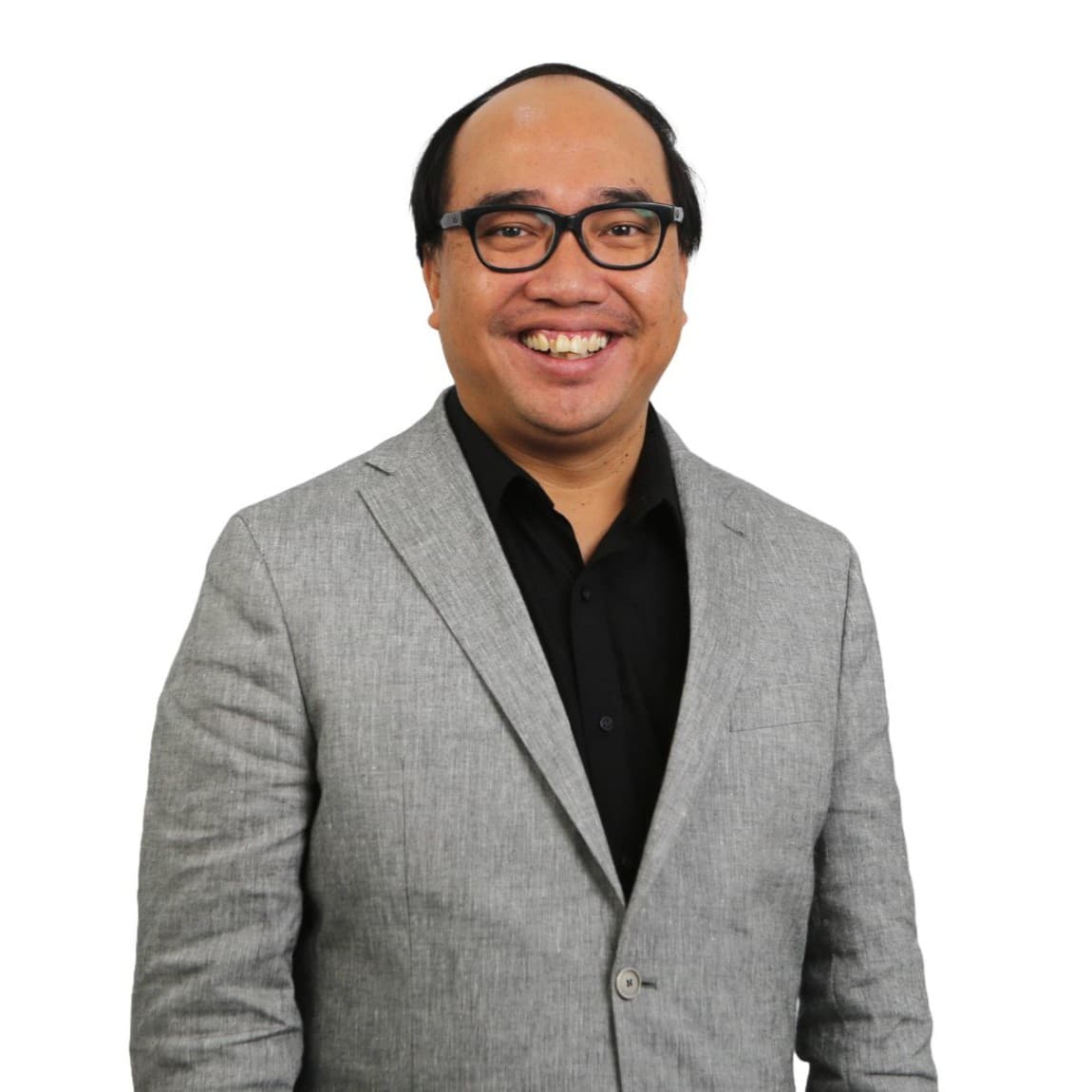
Dr. Saut Sagala
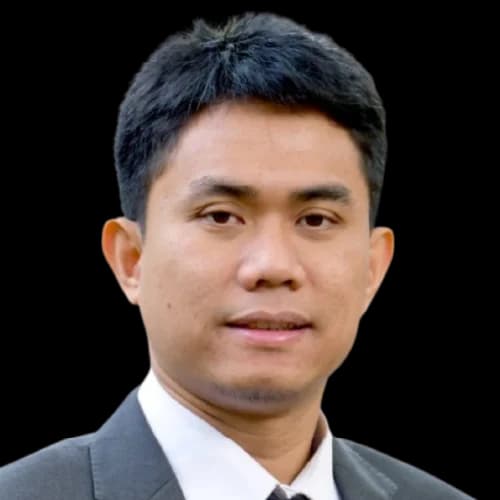
Nurrohman Wijaya, Ph.D.
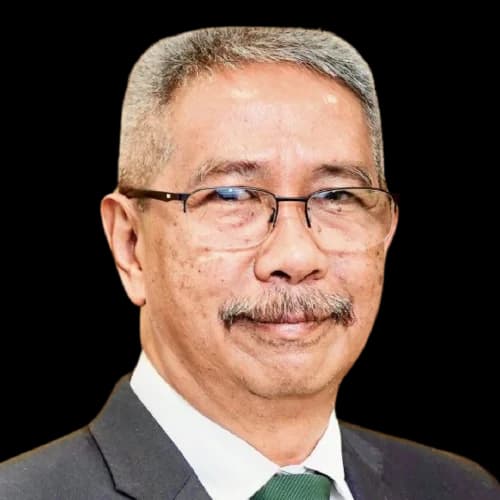
Iwan Gunawan, Ph.D.

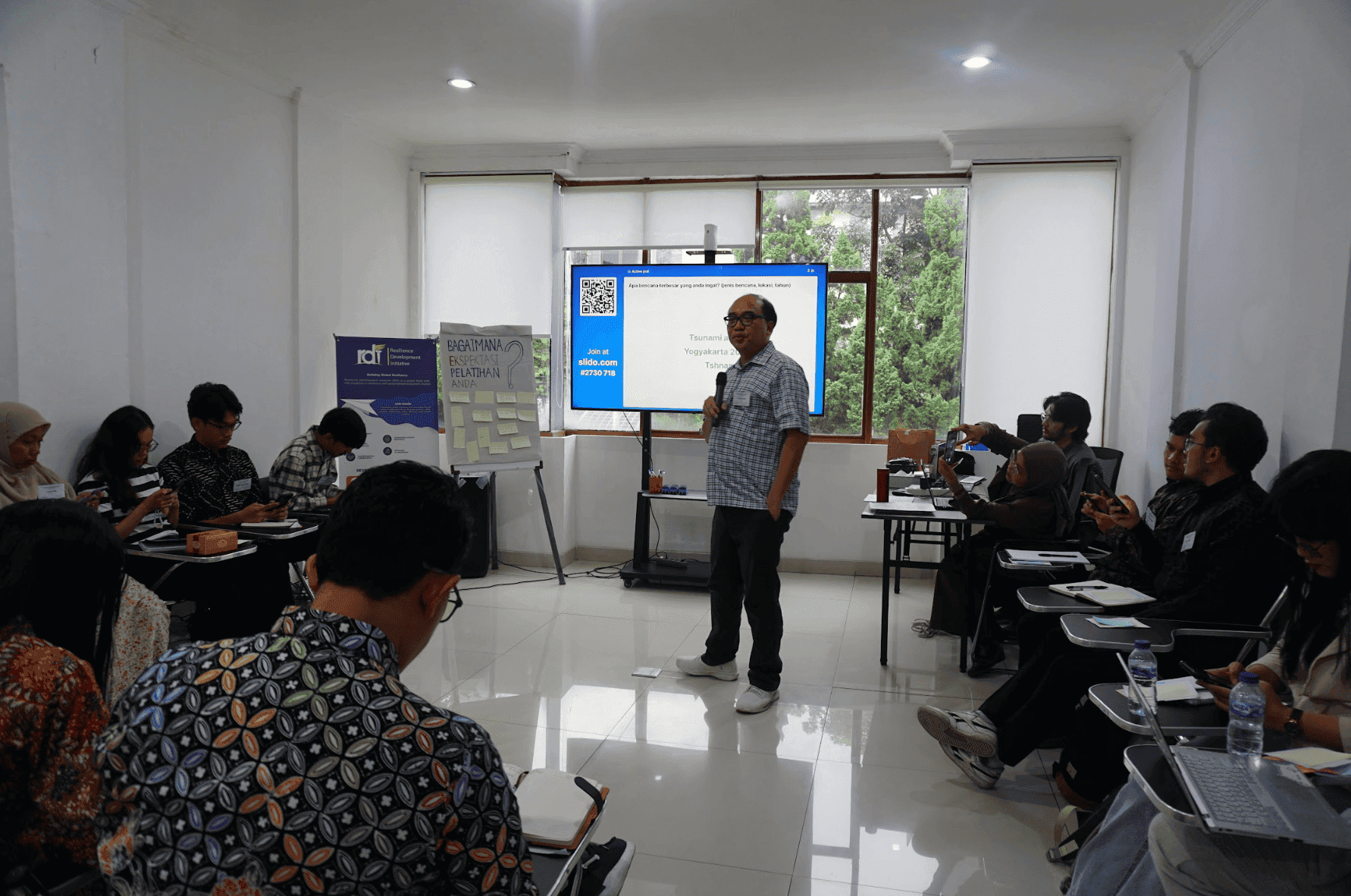
The Resilience Development Initiative training knowledge center, Baresi Training Center, successfully held a two-day training titled “Urban Resilience 360°: Steps to Building Adaptive and Sustainable Cities.” This event brought experts, practitioners, and professionals from academia, government, and civil society to strengthen capacity in addressing urban resilience challenges.
With over 3,472 disasters in Indonesia in 2024, damaging more than 80,000 homes and hundreds of public facilities (BNPB, 2024) the urgency for resilience-focused urban development is more pressing than ever. The training responded to this call by exploring how rapid urbanization, climate risks, and environmental degradation intersect in urban contexts, especially in Asia-Pacific, which houses 56% of the world’s urban population.
Why Urban Resilience Matters
As urban populations continue to grow projected to reach two-thirds of the global total by 2050 (World Bank, 2020) cities are increasingly vulnerable to disasters and resource constraints. This training emphasized that building urban resilience is essential not just for risk reduction, but also for fostering inclusive, adaptive, and sustainable development.
Baresi Training Centre aims to equip academics, stakeholders, professionals and urban practitioners with the tools and frameworks needed to lead transformative initiatives in their respective cities through this training. The training prioritises cross-sector collaboration, local participation, and innovative governance as the cornerstones of resilient urban systems.
Day One: Understanding Urban Resilience and Disaster Risk Reduction


The training commenced with an opening session on “Introduction to Urban Resilience,” led by Dr. Saut Sagala. This session emphasized the urgency of adopting urban resilience approaches to tackle growing challenges such as rapid urbanization, climate change, and socio-economic inequality. Participants were introduced to the foundational concepts and key principles of urban resilience, highlighting how this approach differs from conventional social protection. The discussion underscored the need for adaptive and systemic strategies in vulnerable cities to strengthen risk mitigation capacity and promote long-term socio-economic resilience.


The next session, “Social and Physical Approaches in Building Urban Resilience,” was delivered by Iwan Gunawan, PhD. This session focused on the importance of community participation throughout the planning, decision-making, and implementation stages of resilience initiatives. Actively involving communities helps ensure that solutions are tailored to local needs and capacities.
Physical aspects of urban resilience were also discussed, particularly the role of disaster-adaptive basic infrastructure. The session emphasized the integration of nature-based solutions such as green open spaces and sustainable water governance with resilient infrastructure capable of withstanding the pressures of climate change and rapid urbanization. The integrated approach between social and physical components is expected to build comprehensive and sustainable resilience systems.
The day concluded with a group task, where participants were asked to conduct urban risk assessments for specific cities, forming the foundation for the next day’s strategy development.
Day Two: Implementing Urban Resilience Strategies


The morning session began with a recap of Day One and continued with a presentation by Nurrohman Wijaya, PhD, titled “Strategies for Enhancing Urban Resilience.” This session explored various disaster risk reduction (DRR) approaches from both disaster management and urban development perspectives. It began with an overview of the Sendai Framework, a global reference for DRR, which stresses the importance of reducing vulnerabilities and increasing community capacity. The session detailed disaster cycle interventions from pre-disaster planning, early warning systems, and spatial planning, to emergency response and post-disaster rehabilitation using the Build Back Better approach.
Climate Change Adaptation (CCA) strategies were also discussed, including the application of green infrastructure and Nature-based Solutions (NbS) in urban contexts. Using case studies such as flood management in Jakarta, participants examined the link between DRR and climate-adaptive urban planning.
From an urban planning perspective, the session addressed spatial planning as a critical instrument in resilience-building. Key topics included spatial structure, zoning patterns, land use, and regulatory mechanisms. The session emphasized collaborative governance, innovative financing strategies, and active community involvement in DRR planning and oversight.
Group Activity: Urban Resilience Strategy Development


In the afternoon session, participants were divided into three groups to develop city-specific strategies for urban resilience, addressing key challenges, proposing interventions, and outlining action steps with expert input.
Group 1 - Palu City: Focused on post-disaster inequality and economic fragility, especially in high-risk coastal zones. The group proposed the Kampung Cekatan program, combining social aid, economic empowerment, trauma healing, and earthquake-resistant housing. Steps include risk-zone mapping, cross-sector aid coordination, micro-zonation integration, and dam impact reassessment.
Group 2 - Padang City: Addressed disaster-induced economic insecurity and recurring hazards like floods and landslides. Strategies included business capital support, skills training, risk financing, and early warning systems. Implementation involves identifying at-risk groups, policy development, greenbelt protection, and infrastructure strengthening.
Group 3 - Semarang City: Tackled gender-based violence in shelters and water scarcity in upland areas. Proposed the creation of Women-Friendly Tents (TRP) in evacuation centers and the development of sustainable water systems. Key actions involve NGO partnerships, community outreach, infrastructure development, and water governance collaboration. Participants highlighted the urgent need for improved water access as urban growth continues.
The Urban Resilience 360° training provided a comprehensive platform for knowledge exchange and solution development. Participants left equipped with a deeper understanding of how to address complex urban challenges through integrated, people-centered approaches.
By nurturing a network of resilience champions, RDI and Baresi Training Center continue their commitment to building cities that are not only safer, but also more inclusive, adaptive, and sustainable.