
Loss and Damage Series

Dr. Saut Sagala

Arif Wibowo, M.Sc.

P. Raja Siregar
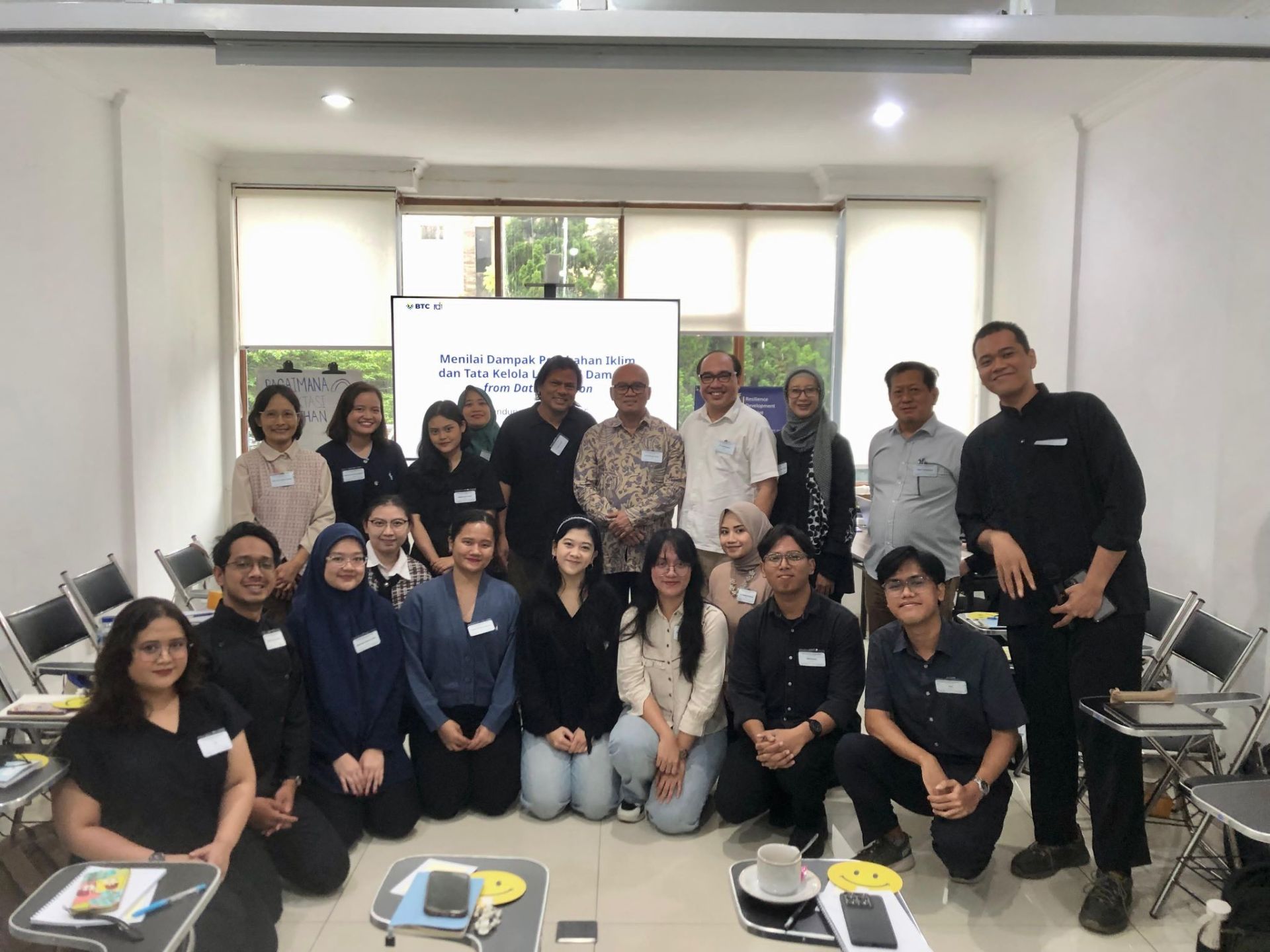 The Resilience Development Initiative training knowledge center, Baresi Training Center, successfully held a training program titled “Assessing the Impact of Climate Change and Loss and Damage Governance: from Data to Action.” This specialized training brought together stakeholders from academia, social sectors, and local communities to deepen their understanding of climate-related loss and damage.
With global climate losses reaching USD 101.1 billion in 2021 (Swiss Re) and over 410,000 deaths due to climate disasters in the past decade (IFRC, 2020), the urgency to act is undeniable. Low and middle-income countries like Indonesia remain disproportionately affected. The country faces increasing threats from flooding and extreme heat, with an estimated 4.2 million people projected to be impacted by sea level rise between 2070–2100 (ADB, 2020).
In line with Article 8 of the Paris Agreement (2015), this training addressed the growing relevance of Loss and Damage climate impacts that cannot be avoided or minimized through conventional mitigation and adaptation. Participants explored key concepts in climate risk management, discussed strategies for inclusive and resilient social protection, and examined opportunities to access emerging international support mechanisms like the Loss and Damage Fund agreed upon at COP29 (2024).
Day One: Introduction to Loss and Damage in Climate Risk Management
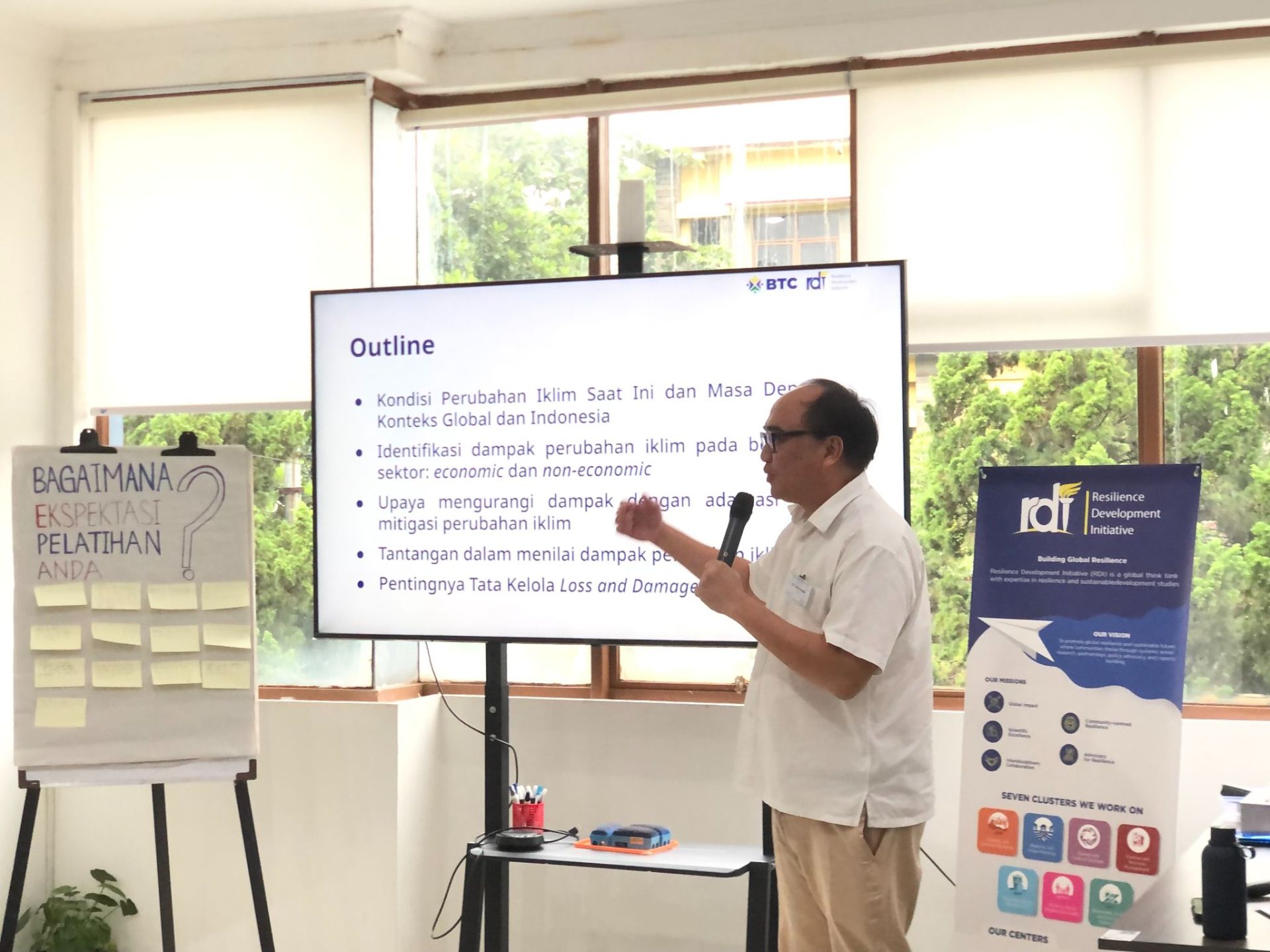
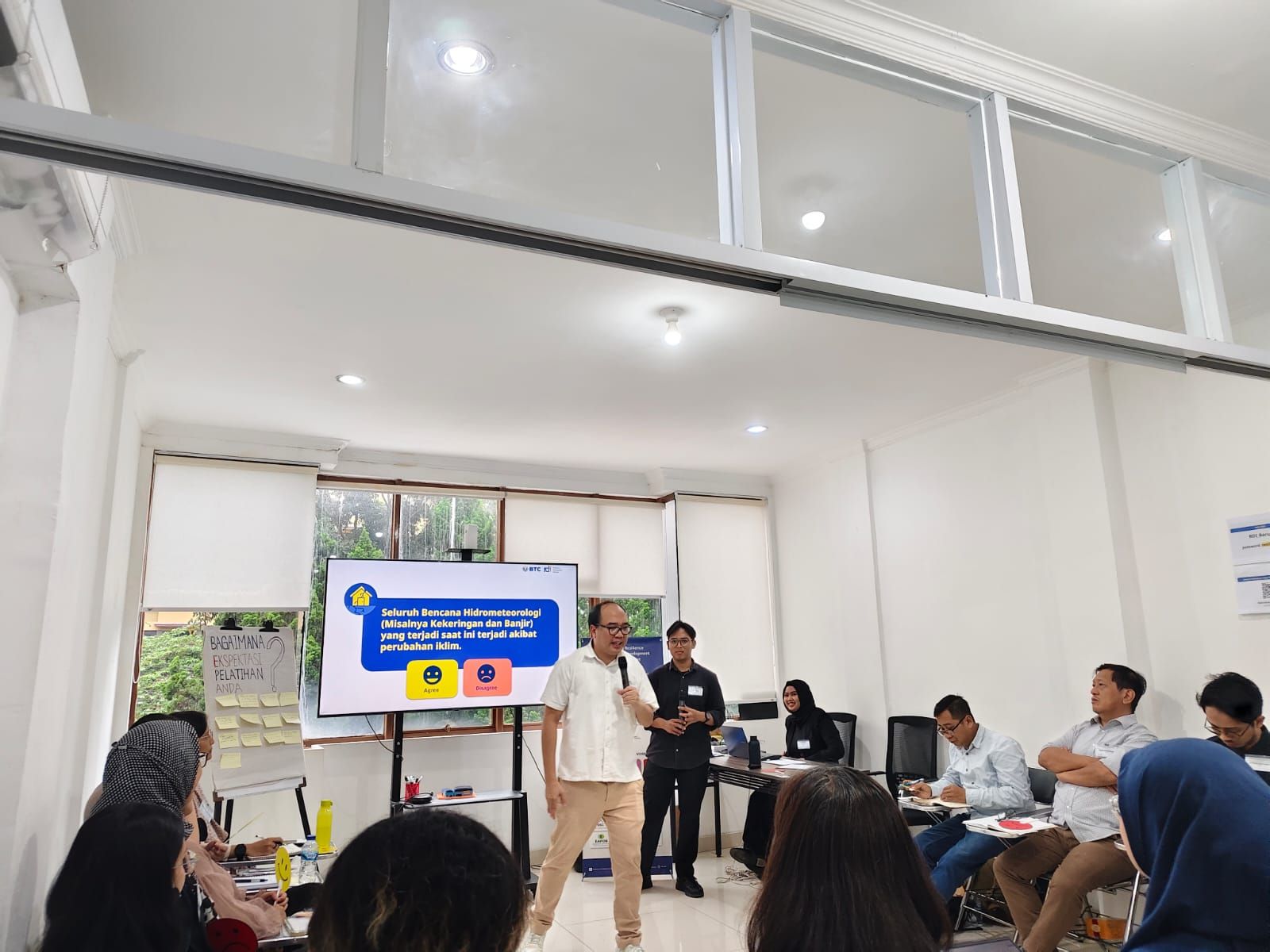 The training began with a session titled “Understanding Climate Change Impacts and the Importance of Loss and Damage Governance,” delivered by Dr. Saut Sagala. This session provided a comprehensive overview of current and projected climate conditions both globally and in Indonesia. It covered the major challenges of climate change, sectoral impacts (economic and non-economic), adaptation strategies at various levels, and the limitations of current climate risk management approaches.
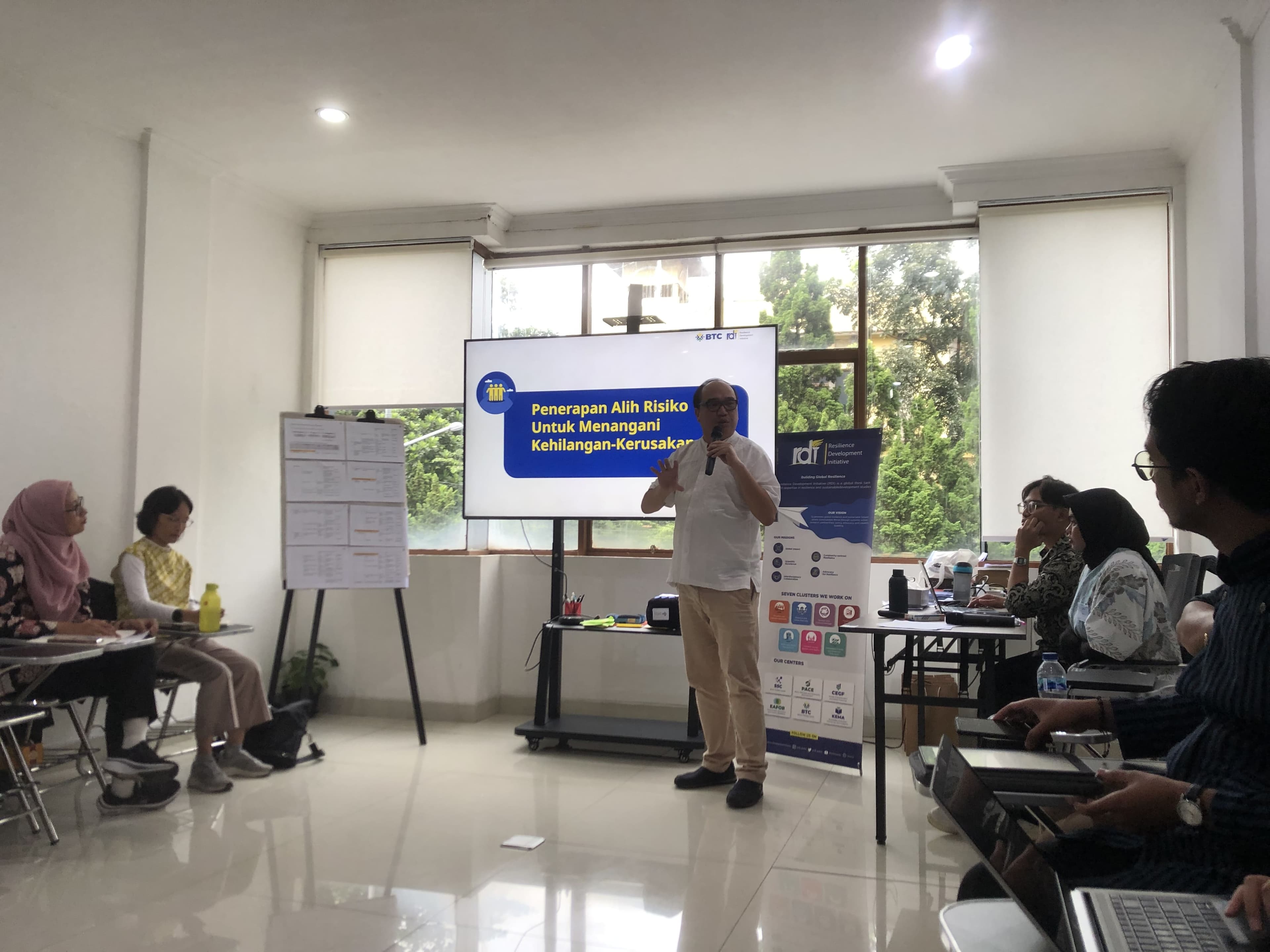
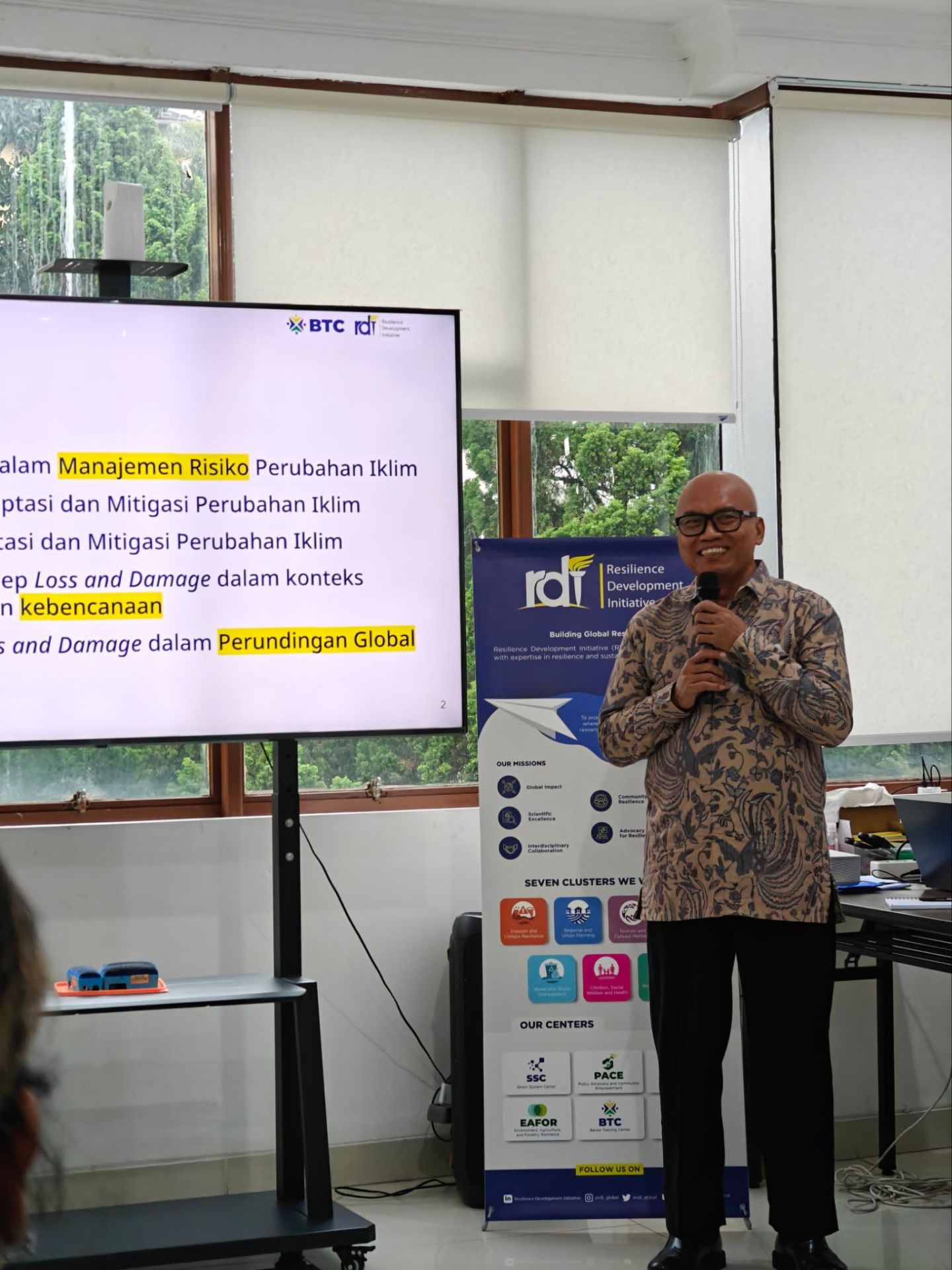 The next session, “Developments in Climate Change Adaptation, Mitigation, and Loss and Damage Governance,” was led by Arif Wibowo, M.Sc. Participants were introduced to the core concept of Loss and Damage, its evolution within global negotiations, and its relevance in the context of Indonesia’s climate and disaster landscape.
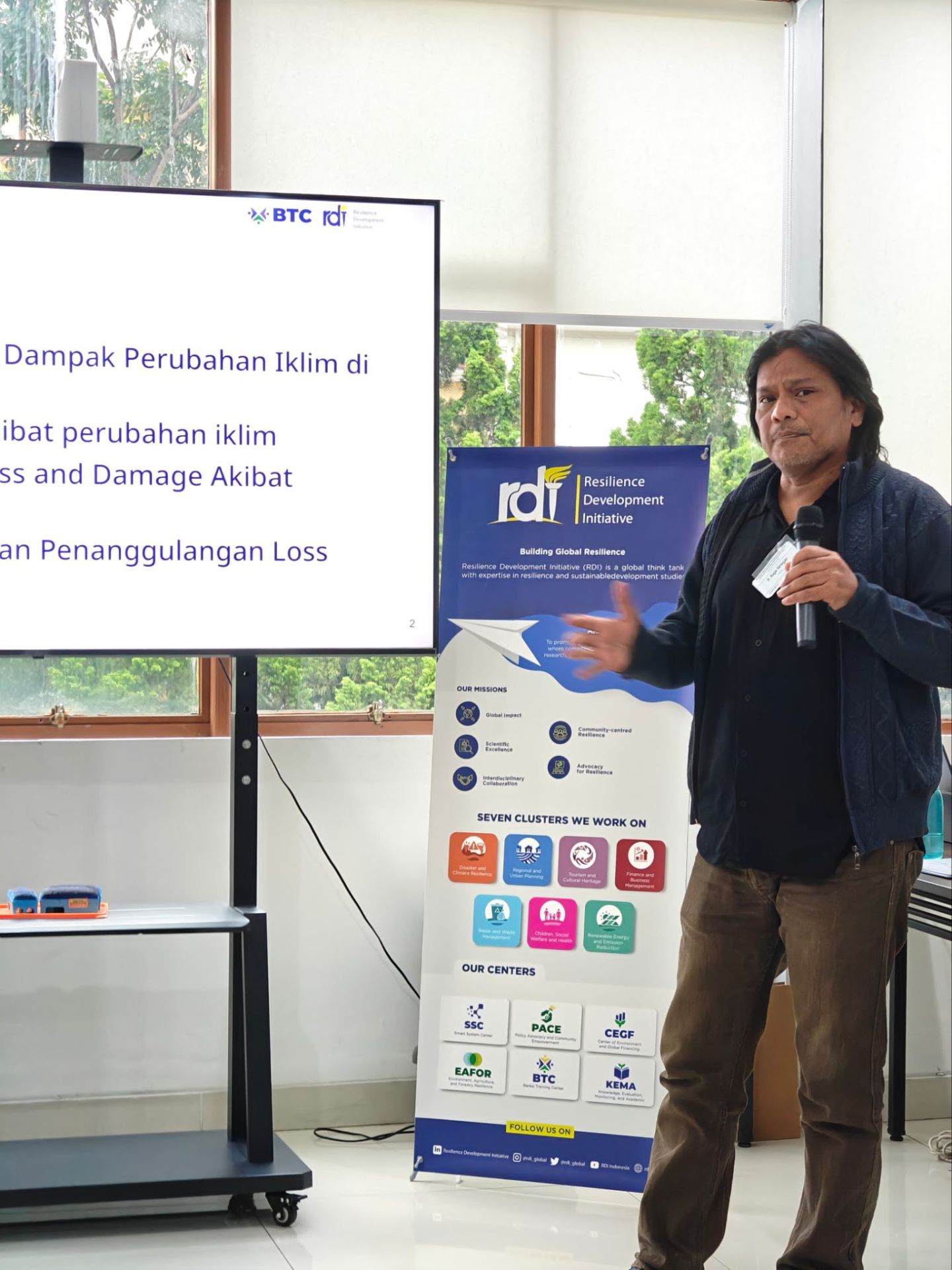 In the final session of the day, “Assessment and Planning for Addressing Loss and Damage from Climate Change,” Pratama Raja Siregar, M.Sc., examined the current state of knowledge, institutional readiness, and climate impact monitoring policies in Indonesia. The session also explored how Loss and Damage can be integrated into disaster management frameworks, alongside methodologies for monitoring and evaluating climate-induced losses highlighting key challenges in assessment processes.
Interactive discussions and Q&A sessions followed, where participants enthusiastically shared their experiences in implementing social protection and tackling climate challenges in their respective regions.
Day Two: Implementing Loss and Damage in Climate Policy and Practice
The second day opened with a session on “Implementing the Framework for Addressing Climate-Induced Loss and Damage,” by Pratama Raja Siregar, M.Sc., and Dr. Saut Sagala. The session covered institutional frameworks, policy instruments, and financing mechanisms in Indonesia, while identifying existing gaps, challenges, and emerging opportunities. Specific focus was placed on coastal flooding impacts, climate-induced displacement, and risk-transfer mechanisms such as insurance and social protection within the Loss and Damage framework.
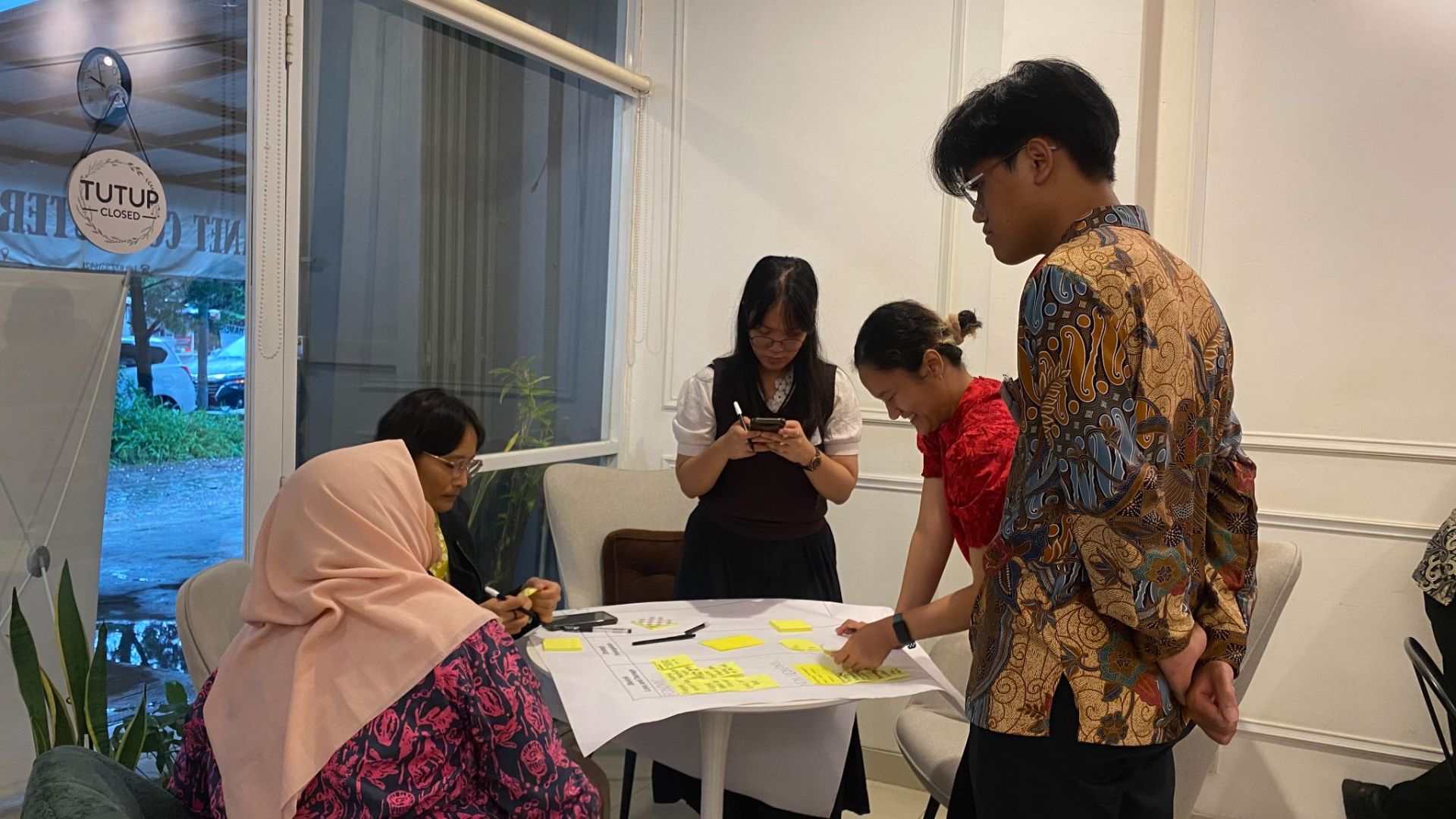
In the afternoon, participants engaged in a group assignment to develop actionable Loss and Damage response plans based on selected case studies. Each group identified a key climate issue in their local context, proposed targeted Loss and Damage interventions, and outlined strategic implementation steps.
Group Activity: Action Plan for Loss and Damage Response to Sea Level Rise
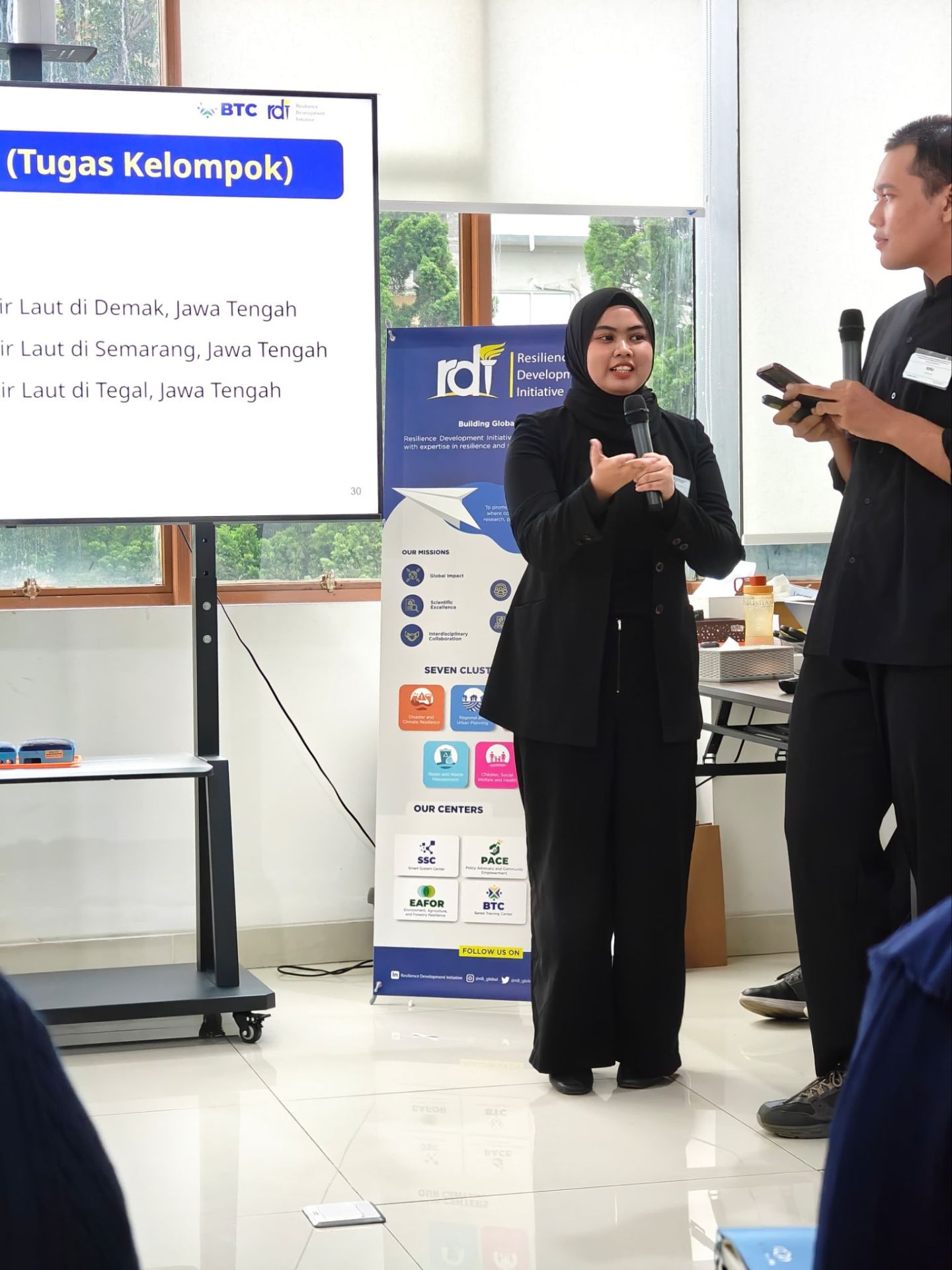
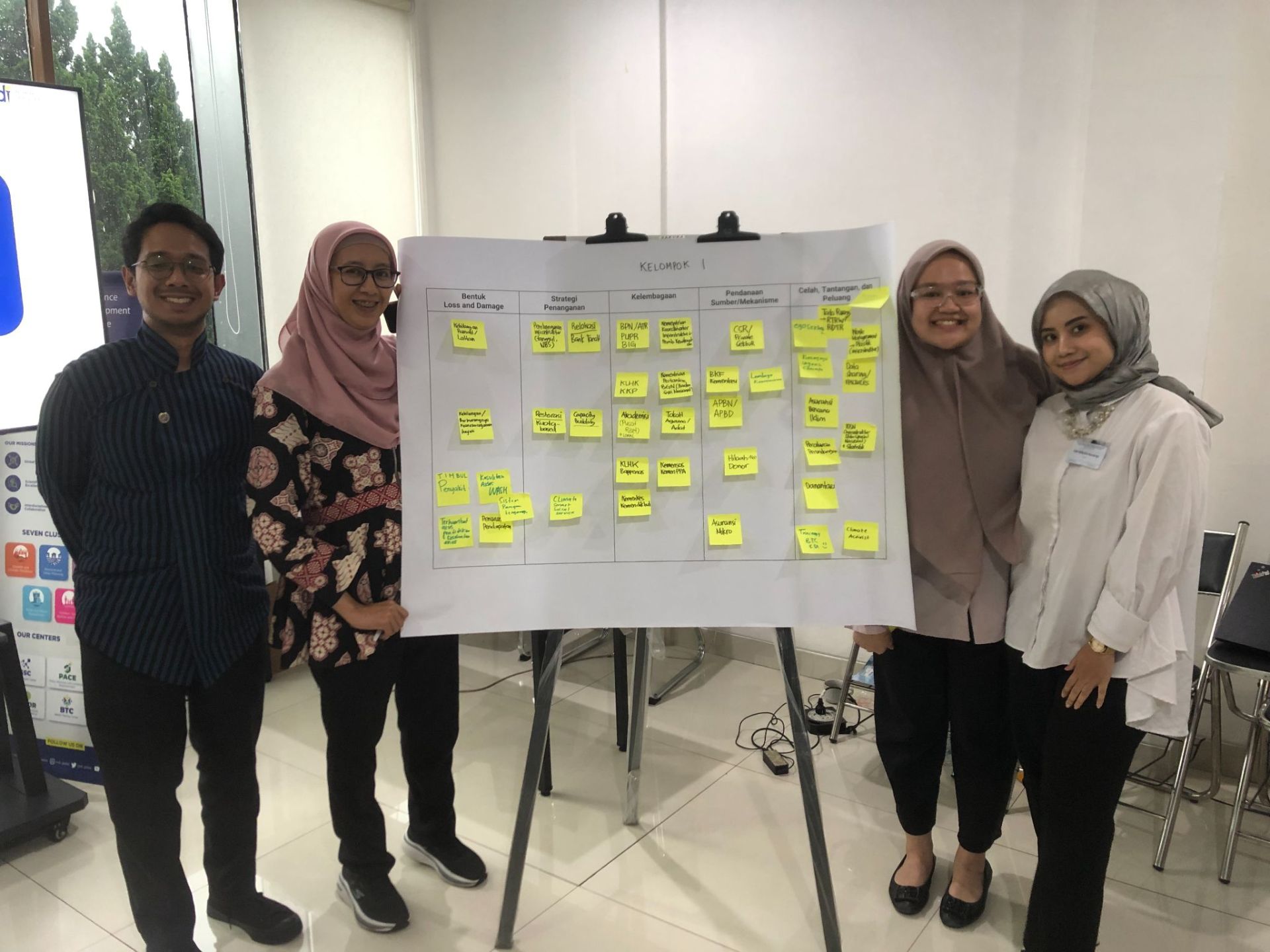
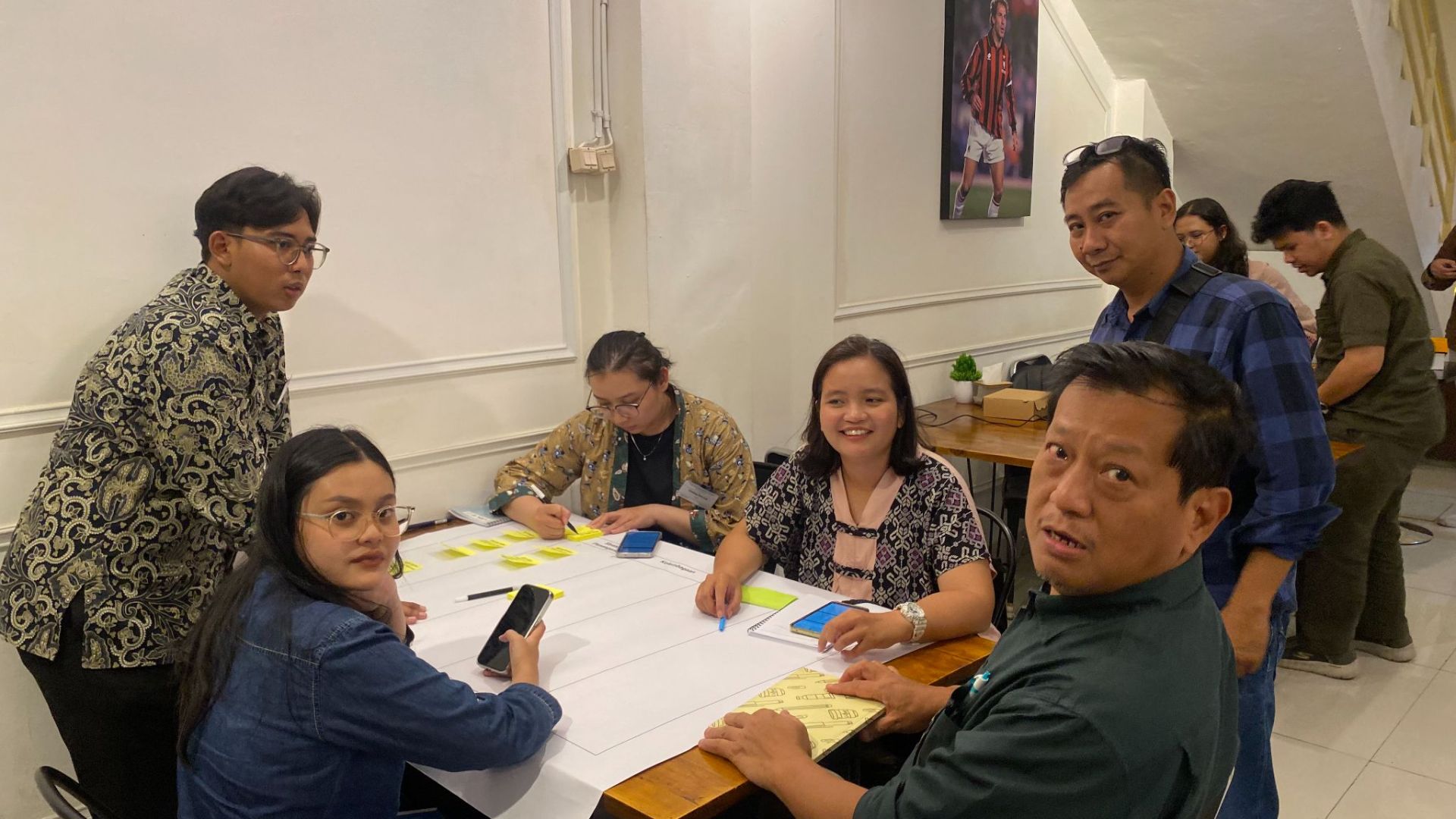 As part of the training, participants were divided into three groups to explore adaptive strategies for Loss and Damage (LnD) in coastal areas affected by sea level rise. Each group focused on a different location Demak, Semarang, and Tegal in Central Java and developed action plans based on local contexts.
Group 1 in Demak proposed climate-smart social services to strengthen community resilience, emphasizing cross-sector integration and non-governmental capacity building. Group 2 in Semarang focused on economic recovery, proposing skills training and localized policy integration. Group 3 in Tegal addressed gender-based vulnerability by promoting community-driven protection efforts for displaced women.
This activity deepened participants understanding of how locally grounded, inclusive strategies can enhance adaptive responses to climate-related risks.
 The training successfully fostered meaningful dialogue and collaboration among diverse stakeholders, equipping participants with practical knowledge and tools to address climate-induced loss and damage. By bridging data, policy, and community action, this initiative marks a significant step toward building more resilient and adaptive social protection systems in Indonesia. Continued engagement and innovation will be essential as the country faces mounting climate challenges in the years ahead.